Seminar: Attosecond Quantum Technologies for Advanced Materials Metrologies (Henry Kapteyn)

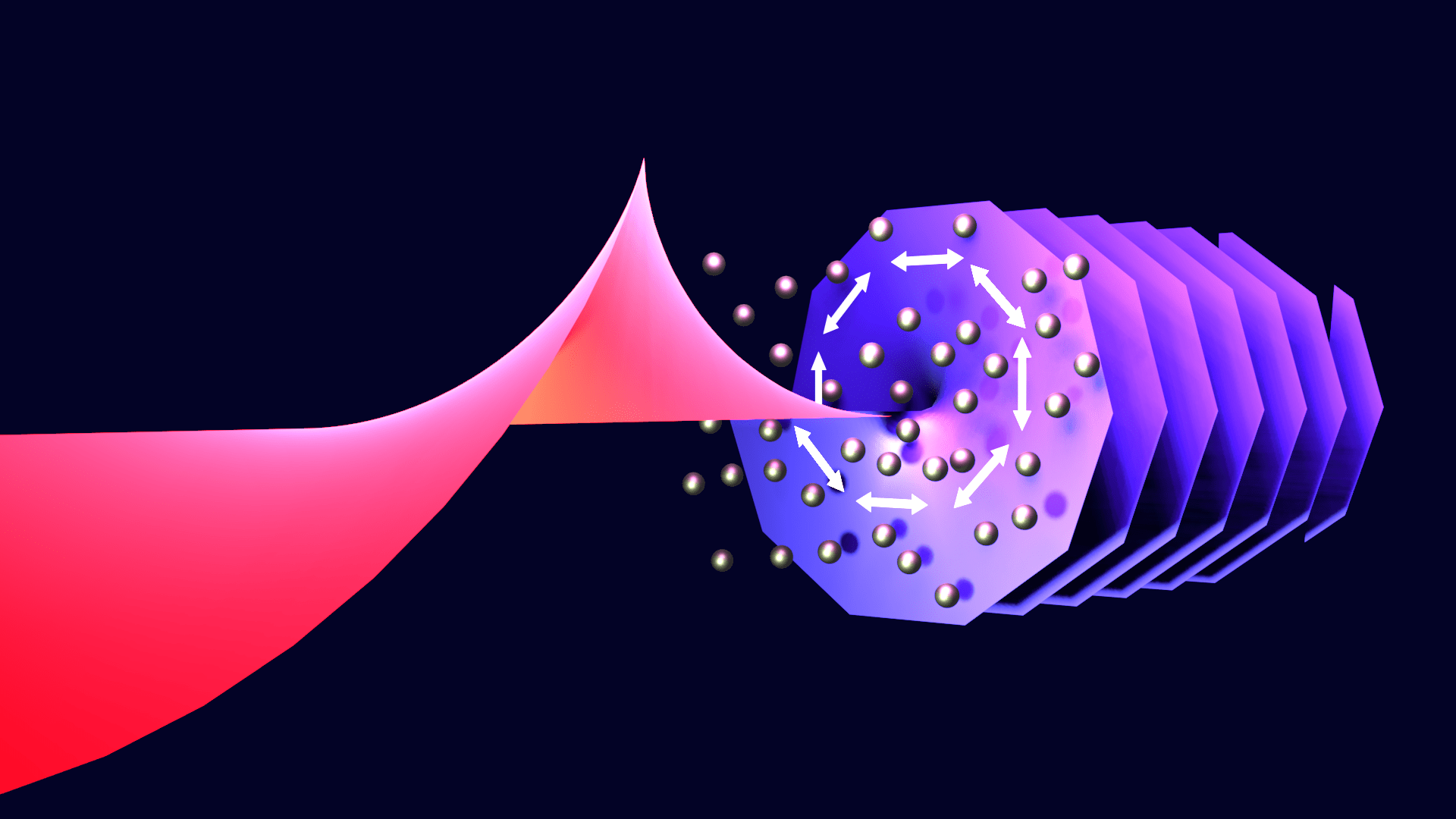
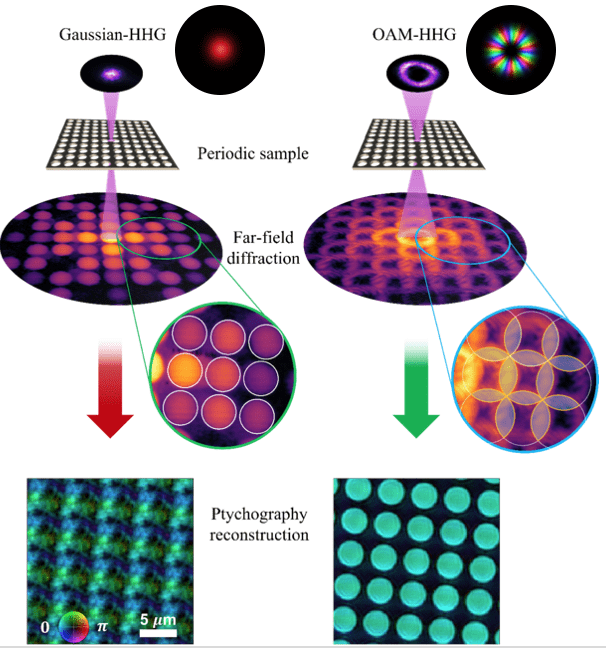
Next June 19 at 09:00 in classroom III of the Trilingual building, Henry Kapteyn from JILA from University of Colorado Boulder will give the seminar: Attosecond Quantum Technologies for Advanced Materials Metrologies Next-generation nano and quantum devices have increasingly complex 3D structure. As their dimensions shrink, their performance is often governed by interface quality or precise chemical, interfacial or dopant composition. However, correlating their structural and functional properties is challenging. High harmonic quantum light sources provide an exquisite source of short wavelength light, with unprecedented control over the spectral, temporal, polarization and orbital angular momentum (OAM) of the emitted waveforms, from the UV to the keV photon energy region. These advances are providing powerful new tools for near-perfect x-ray functional imaging, and for engineering the illumination to achieve high-fidelity imaging – akin to the vortex beams used in visible super-resolution imaging. Seminar’s poster can be downloaded here.

The V Photography Contest “Dia de la Luz” list of winners has been published.

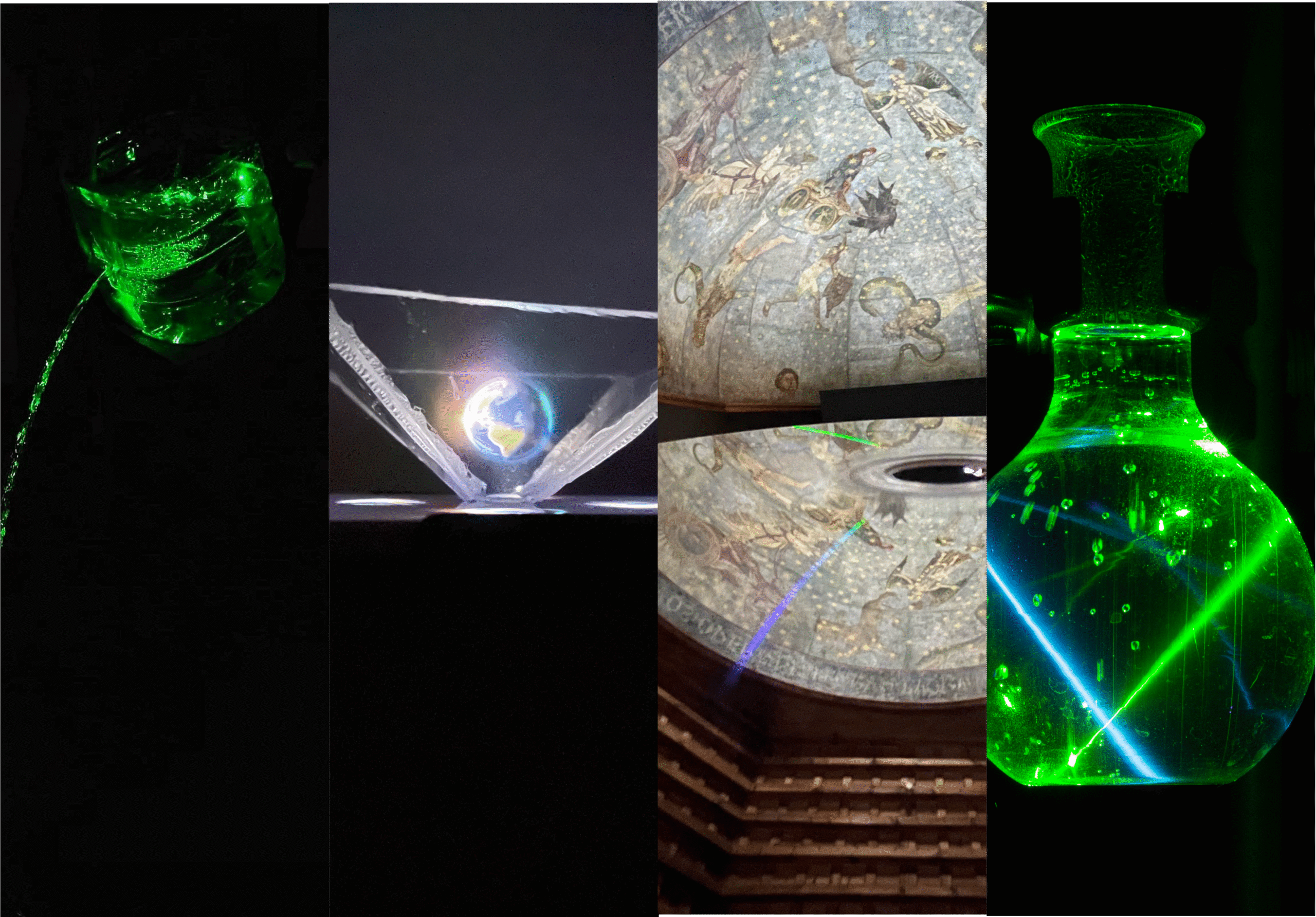
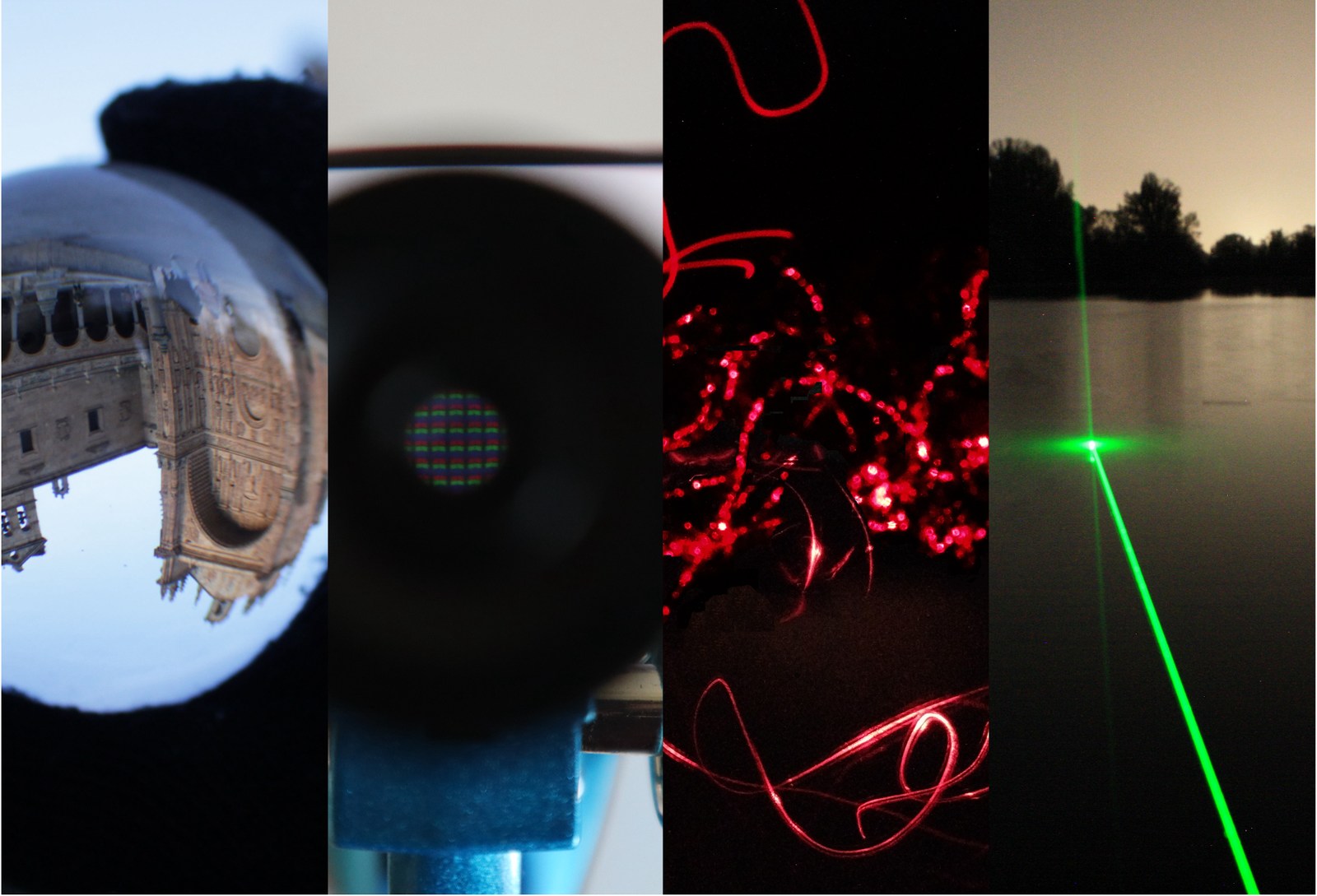
On the occasion of the celebration on May 16 of the International Day of Light, the list of winners of the V “Day of Light” Photographic Contest organized by the Master’s Degree in Physics and Technology of Lasers (USAL – UVA) has been published. Attostructura collaborates in the organization of the contest and is part of the jury together with the following organizations and institutions: the Salamanca Local Section of the Royal Spanish Society of Physics. the Spanish Society of Optics SEDOPTICA. the magazine Óptica Pura y Aplicada. the University Association OSAL Student Chapter. the Supernova University Association.   the Physics League University Association. The complete verdict can be read on the website of the Master’s Degree in Physics and Technology of Lasers. Below you can see the 4 award-winning photographs. Many thanks to all the participants and congratulations to the winners.

 Post-Doc Position on Theory of Structured Attosecond Pulses Applied to Ultrafast Magnetism 

The University of Salamanca (Spain) invites application for a 2-year Postdoc position starting in September 2023. The position is part of the project ATTOSTRUCTURA, “Structured attosecond pulses for ultrafast nanoscience”, funded by the European Research Council (ERC) under the European Union’s Horizon 2020 research and innovation program (grant agreement No. 851201), supervised by Dr. Carlos Hernández-García, and with a duration of 5 years. Application deadline: May 20th 2023 Download info Project information The postdoctoral researcher will enrol the project “Structured attosecond pulses for ultrafast nanoscience” at the Laser Applications and Photonics Research group (ALF-USAL) at University of Salamanca (https://laser.usal.es/alf/en/home/). ALF-USAL is an interdisciplinary Optics research group with expertise in both theory (strong-field physics, nonlinear optics, ultrafast phenomena, attosecond science) and experiments (ultrashort pulse characterization, pulse shaping, photonic crystals, ultrashort micro-machining). Some of the recent results have been published in high impact factor scientific journals:   Some of the recent results have been published in high impact factor scientific journals:   -“Generation of extreme-ultraviolet beams with time-varying orbital angular momentum”, L. Rego, K. M. Dorney, N. J. Brooks, Q. Nguyen, C-T. Liao, J. San Román, D. E. Couch, Allison Liu, E. Pisanty, M. Lewenstein, L. Plaja, H. C. Kapteyn, M. M. Murnane, C. Hernández-García, Science 364, eaaw9486 (2019). Highlighted in the media: Physicists discover croissant-shaped twists of light. National Geographic (USA) Twisted light gains angular momentum through ‘self-torque’. PhysicsWorld (UK) Descubierta una nueva propiedad de la luz. El País (Spain) Físicos españoles descubren una nueva propiedad de la luz. El Mundo (Spain) -“Controlling the polarization and vortex charge of attosecond high-harmonic beams via simultaneous spin-orbit momentum conservation”, K. M. Dorney, L. Rego, N. Brooks, J. San Román, C-T. Liao, J. L. Ellis, D. Zusin, C. Gentry, Q. Nguyen, J. M. Shaw, A. Picón, L. Plaja, H. C. Kapteyn, M. M. Murnane, C. Hernández-García, Nature Photonics 13, 123–130 (2019).   -“Extreme-Ultraviolet Vector-Vortex Beams from High Harmonic Generation“, Alba de las Heras,  Alok P. Pandey, Julio San Román, Javier Serrano, Elsa Baynard, Guillaume Dovillaire, Moana Pittman, Charles Durfee, Luis Plaja, Sophie Kazamias, Olivier Guilbaud, Carlos Hernández-García, Optica 9, 71-79 (2022).   -“Necklace-structured high harmonic generation for low-divergence, soft X-ray harmonic combs with tunable line spacing”, Laura Rego, Nathan J. Brooks, Quynh L. D. Nguyen, Julio San Román, Iona Binnie, Luis Plaja, Henry C. Kapteyn, Margaret M. Murnane, Carlos Hernández-García, Science Advances 8, eabj7380 (2022). Job profile The candidate will explore the application of ultrashort structured pulses in ultrafast magnetism, an emerging field that is opening exciting scenarios in laser-matter interaction at the most fundamental level, merging the fields of Optics and Magnetism. The candidate will count not only with the collaboration of the theory research team at ALF-USAL (Dr. Luis Plaja, Dr. Julio San Román, Dr. Enrique Conejero and Dr. Carlos Hernández-García), but also with the collaboration of the research group on simulation of magnetic nanostructures SINAMAG at USAL, in particular with Prof. Luis López-Díaz and Dr. Rocío Yanes. Successful candidates will have the possibility to consolidate their own independent research lines and to promote collaborative research among the following research lines: Development of theoretical simulations of strong-field laser-matter interactions. Development of theoretical models to describe the interaction of ultrafast structured laser pulses with gases and solids. Implementation of high-performance computing simulations of strong-field laser-matter interaction. Theoretical study of the ultrafast generation of magnetic textures (such as skyrmionic structures or vortices) using structured laser pulses. Job Functions To develop and implement theoretical models of laser-matter interaction along the described research lines. To conduct independent research as well as in collaboration with other members of the group. Co-advise undergraduate and Master students at University of Salamanca. Candidate Requirements   Ph.D. in Physics, Chemistry or related Engineering degree, at the date of recruitment, with experience in theoretical Atomic, Molecular and Optical Physics, Photonics, Magnetism and/or Condensed matter physics. Advanced skills in developing and implementing theoretical simulations of strong field laser-matter interaction, ultrafast magnetism and/or condensed matter physics.  Demonstrable team working skills. Advanced level of English. Candidates should be able to demonstrate a promising track record of achievements appropriate to their research field and career stage. CVs will be evaluated taking into account the overall track record of the researcher in relation to their level of experience. Contract conditions Dynamic and international working environment. Training and access to a wide range of scientific facilities. Soft skills training. Employment conditions: Two-years full-time employment contract. Gross salary of 2.750 €/month. Starting date: September 2023. Research Project: ATTOSTRUCTURA, “Structured attosecond pulses for ultrafast nanoscience”, funded by the European Research Council (ERC) Workplace: Laser Applications and Photonics Research group (ALF-USAL) at University of Salamanca (https://laser.usal.es/alf/en/home/), Spain. Interested candidates should send a CV (maximum 4 pages), a personal statement with interests and reasons for applying, and two recommendation letters to Dr. Carlos Hernández-García at alf@usal.es. For further information and inquiries see Euraxess web page, or contact Dr. Carlos Hernández-García at alf@usal.es. SELECTION PROCESS The selection process is governed by the principles of publicity, equality, merit, and ability, constituting the effect one selecting body composed of representatives of the group of research of USAL. The selection process will consist of two phases: Analysis phase and curricular value of all nominations received, classified on the basis of better adaptation of the Curriculum vitae to the profile established and compliance with the requirements. Personal interview: the three candidates with the highest scores in the Phase 1 will be selected for a personal interview. SELECTION COMMISSION The selection commission will be made up of Dr. Carlos Hernández-García, and two members of the research team Laser Applications and Photonics Research group (ALF-USAL) at Universidad de Salamanca. More information about the project, the position and the application process can be found Euraxess web page.  More info

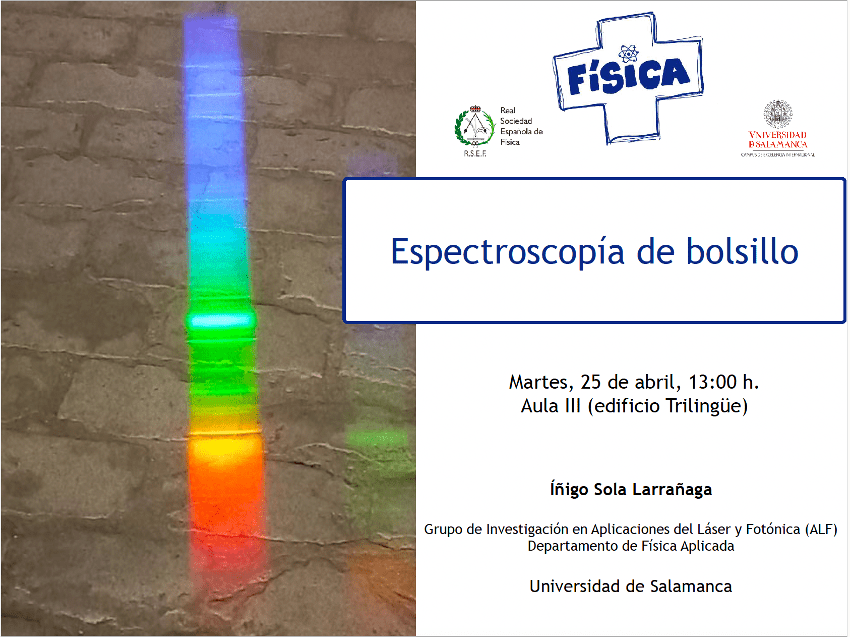
+Física – Espectroscopía de bolsillo

On April 25, our colleague Iñigo Sola will give the talk “Espectroscopia de Bolsillo” within the +Fisica program. It will take place at 1:00 p.m. in classroom III of the Trilingual Building at the University of Salamanca..

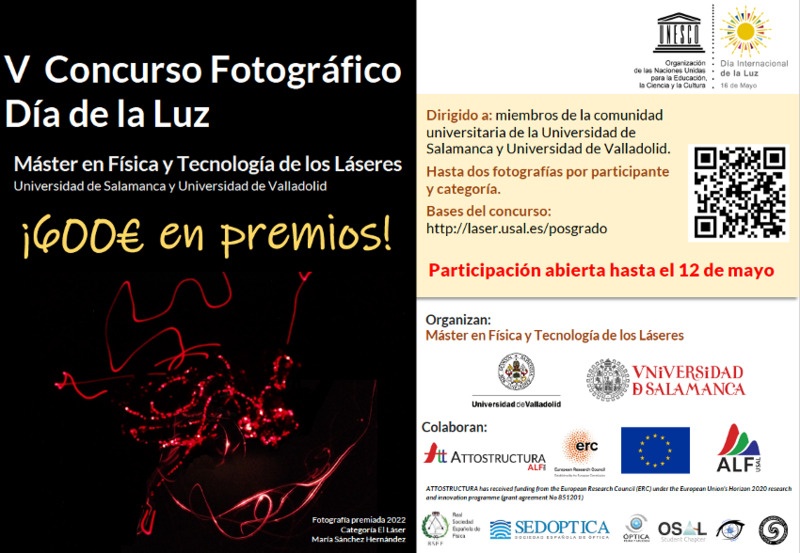
Attostructura collaborates and sponsors the V photo contest “Dia de la Luz”

On the occasion of the proclamation of May 16 as “International Day of Light and Light-Based Technologies” by the United Nations Organization, the Master’s Degree in Laser Physics and Technology” announces the V edition of the Photo Contest “Day of the light”. Attostructura collaborates and is part of the jury of the contest. Other members of the jury are: the Salamanca Local Section of the Royal Spanish Society of Physics. the Spanish Society of Optics SEDOPTICA. the magazine Óptica Pura y Aplicada. the University Association OSAL Student Chapter. the Supernova University Association.   the Physics League University Association. The contest is open to undergraduate, master’s or doctoral students, professors and members of the university community of the University of Salamanca and the University of Valladolid, as well as graduates of the Master’s Degree in Laser Physics and Technology who are not part of the jur The participation period is open until May 12. Each participant can send up to two photographs to each of the established categories: Technologies of light and Optical Phenomena The laser 4 prizes will be awarded: First prize in the Light Technologies and Optical Phenomena category: 200 euros. Second prize in the Light Technologies and Optical Phenomena category: 100 euros. First prize in the Laser category: 200 euros. Second prize in the Laser category: 100 euros. In addition, those winners who are undergraduate, master’s or doctoral students will receive one year of free subscription to the Royal Spanish Physics Society with online access to the Physics Journal. The winning photographs will be published in the Pure and Applied Optics magazine of the Spanish Optical Society (SEDOPTICA). The complete rules of the competition are available on the website of the Master’s Degree in Physics and Technology of Lasers (laser.usal.es/posgrado)

Meeting in Salamanca of the Scientific Advisory Committee of ATTOSTRUCTURA project

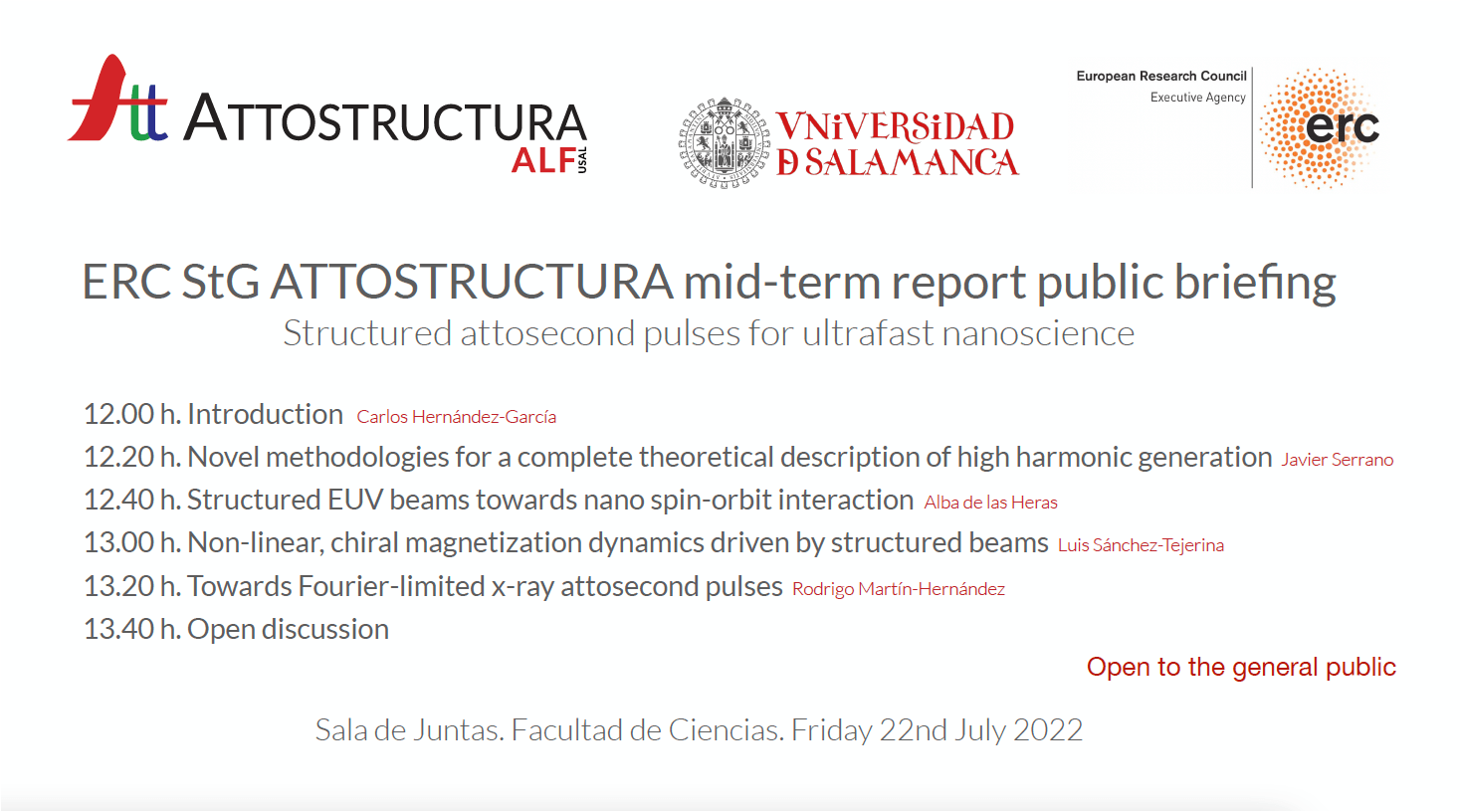
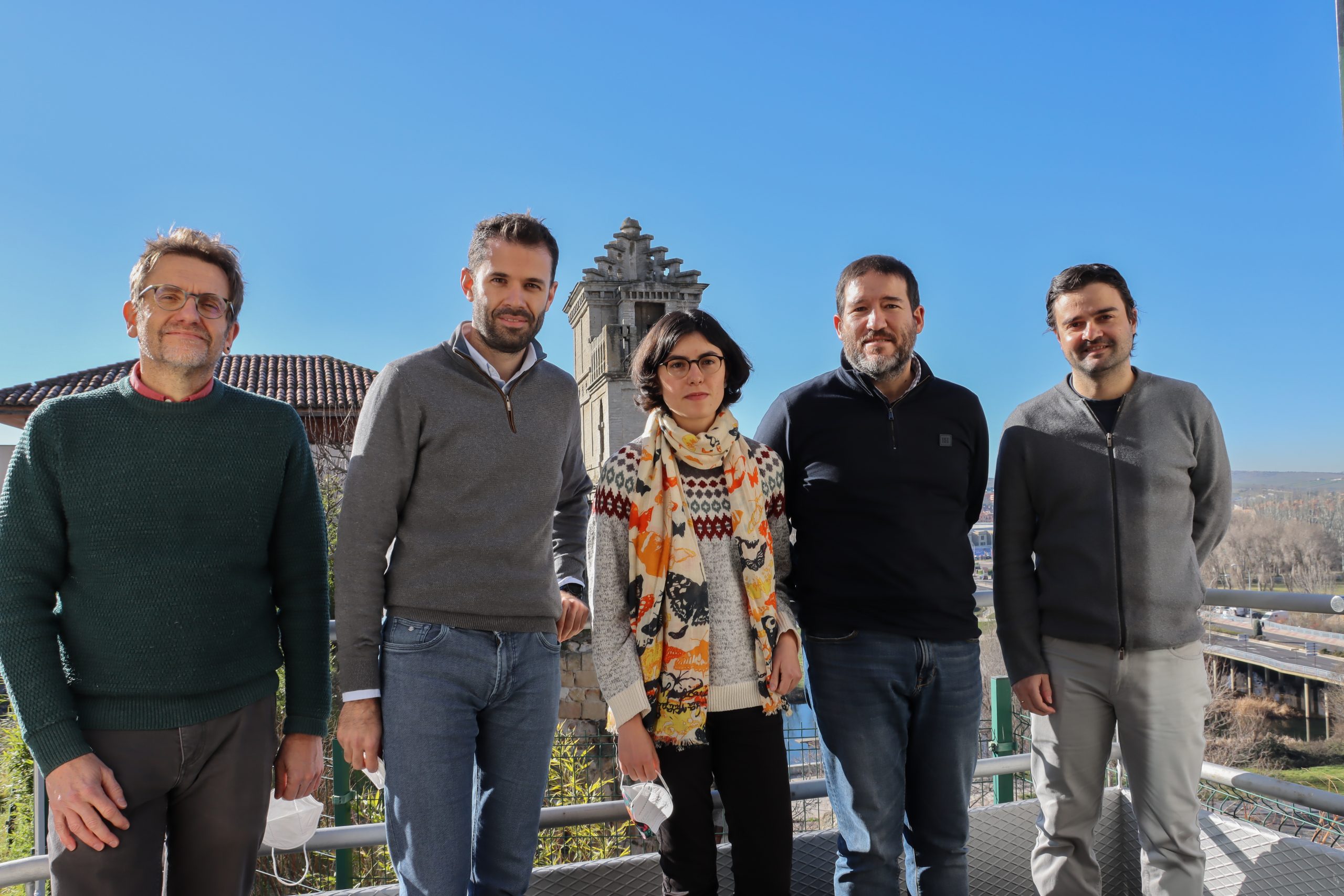
Next August will be thirty months since the ATTOSTRUCTURA project began, which means that half of its duration has already elapsed. For this reason, the first meeting of the project’s scientific advisory committee has been held. The committee, made up of external researchers who are experts in the different fields of the project, has the objective of evaluating the development of the project, the results obtained to date and, if necessary, proposing changes or modifications in the lines of research. In this way, it is intended to ensure that the project achieves the best possible results while maintaining the highest level of excellence. The members of the scientific advisory committee are: Prof. Jon Marangos (chairman) –  Imperial College (London, UK) Dra. Alicia Palacios – Universidad Autónoma de Madrid (Madrid, Spain) Prof. Misha Ivanov – Instituto Max Born de Óptica No Lineal y Espectroscopía de Pulso Corto en la Asociación de Investigación de Berlín (Berlin, Germany) Catedrático Jamal Berakdar – Instituto de Física, Universidad Martin-Luther (Halle – Wittenberg, Germany) The meeting, which took place on Friday, July 22, in the Board Room of the Faculty of Sciences, began with an open-door session in which the status of the project and the main results obtained to date were presented. The videos of that session will be available on the project website. On the occasion of the meeting, Carlos Hernández García (principal investigator of the project) speaks in this video recorded by the audiovisual services of the University of Salamanca, about the project, its objectives and the results obtained.

ATTOSTRUCTURA researches participate in the XXXVIII Biennial Meeting of the Royal Spanish Society of Physics (Murcia)

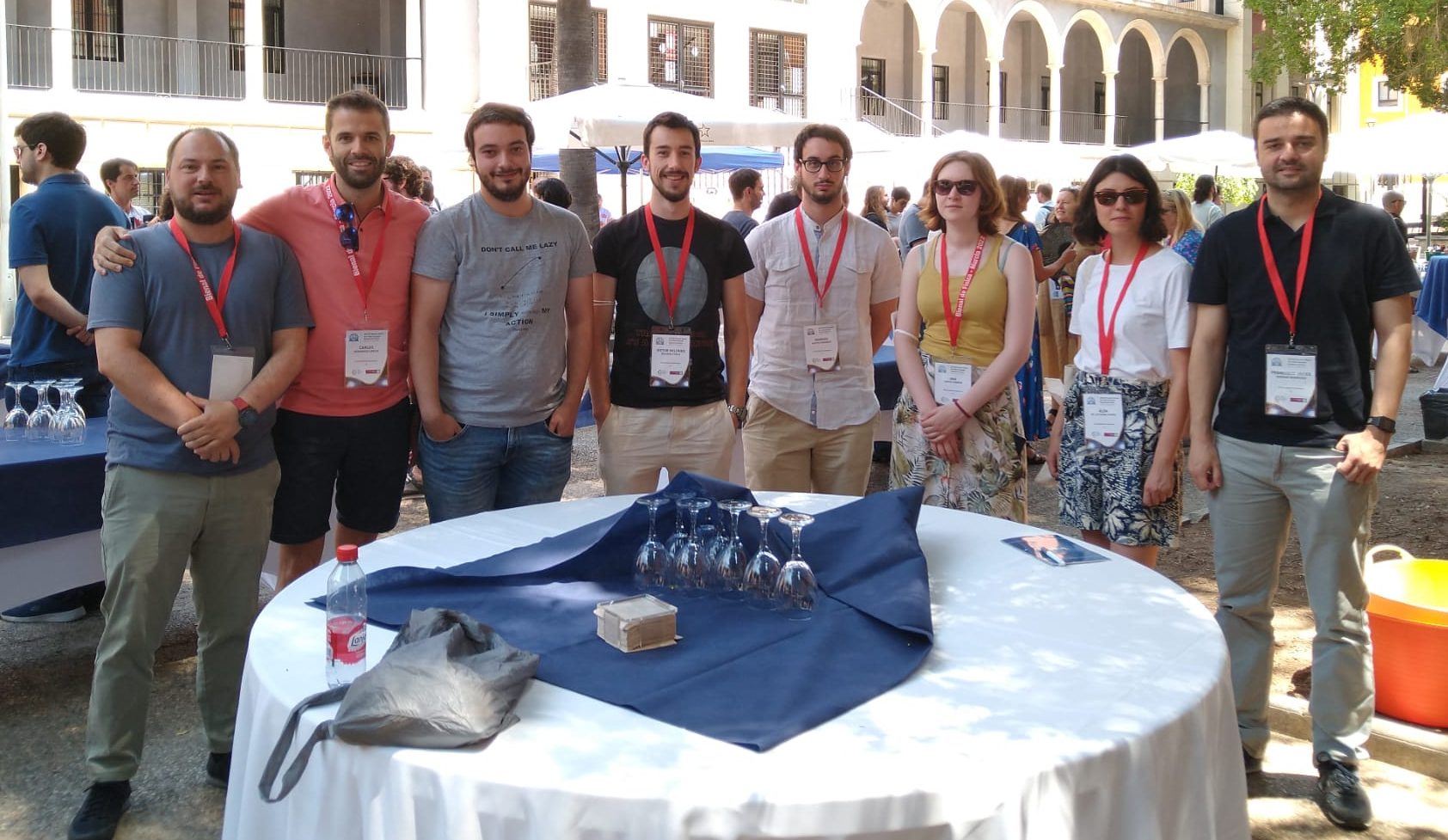
From July 11 to 15, the XXXVIII Biennial Meeting of the Royal Spanish Society of Physics was held. ATTOSTRUCTURA researches have presented some of the most recent results of the research it is currently carrying out. The works presented were: Luis Sánchez-Tejerina, Rodrigo Martín-Hernández, Rocío Yanes, Luis Plaja, Luis López-Díaz, Carlos Hernández-García. “Magnetic order excitation by magnetic fields from sub-picosecond structured laser pulses”. S15 Novel frontiers and challenges in magnetism – Oral contribution. (Abstract) Rodrigo Martín-Hernández, Luis Sánchez-Tejerina, Enrique Conejero Jarque, Luis Plaja , Carlos Hernández-García. “Spatial isolation of femtosecond magnetic needles driven by azimuthally-polarized laser beams“, S15 Novel frontiers and challenges in magnetism – Oral contribution. (Abstract). Prize for the best oral contribution in the Symposium “Novel Frontiers and Challenges in Magnetism” awarded by the Spanish chapter of IEEE Magnetics. Luis Sánchez-Tejerina, Rodrigo Martín-Hernández, Rocío Yanes, Luis Plaja, Luis López-Díaz, Carlos Hernández-García. “Non-linear, purely magnetic magnetization response to femtosecond structured laser pulses“, S9 Quantum Optics and Nonlinear Optics – Oral contribution. (Abstract) Rodrigo Martín-Hernández,Luis Plaja, Carlos Hernández-García. “Magnetically-pumped High Harmonic Generation with circularly polarized driving fields”, S9 Quantum Optics and Nonlinear Optics – Oral contribution. (Abstract) Ana García-Cabrera, Roberto Boyero-García, Óscar Zurrón Cifuentes, Julio San Román, Carlos Hernández-García, Luis Plaja. “Multi-vortex high-harmonic beams from graphene’s anisotropy“, S9 Quantum Optics and Nonlinear Optics – Oral contribution. (Abstract) Alba de las Heras, Alok Kumar Pandey, Julio San Román, Javier Serrano, Luis Plaja. “Extreme-ultraviolet scalar and vectorial vortices with very high topological charge“, S9 Quantum Optics and Nonlinear Optics – Oral contributionl. (Abstract). Winner of the “Young Researchers” contest in the student category. Javier Serrano, Carlos Hernández-García. “High-performance simulations of high-order harmonic generation based on artificial intelligence“, S9 Quantum Optics and Nonlinear Optics – Poster. (Abstract) In addition, Carlos Hernández García participated in the organization of the congress as part of the scientific committee.

The IV Photography Contest “Dia de la Luz” list of winners has been published.

On the occasion of the celebration on May 16 of the International Day of Light, the list of winners of the IV “Day of Light” Photographic Contest organized by the Master’s Degree in Physics and Technology of Lasers (USAL – UVA) has been published. Attostructura collaborates in the organization of the contest and is part of the jury together with the following organizations and institutions: the Salamanca Local Section of the Royal Spanish Society of Physics. the Spanish Society of Optics SEDOPTICA. the magazine Óptica Pura y Aplicada. the University Association OSAL Student Chapter. the Supernova University Association.   the Physics League University Association. The complete verdict can be read on the website of the Master’s Degree in Physics and Technology of Lasers. Below you can see the 4 award-winning photographs. Many thanks to all the participants and congratulations to the winners.

Cover in the Spanish magazine of physics 

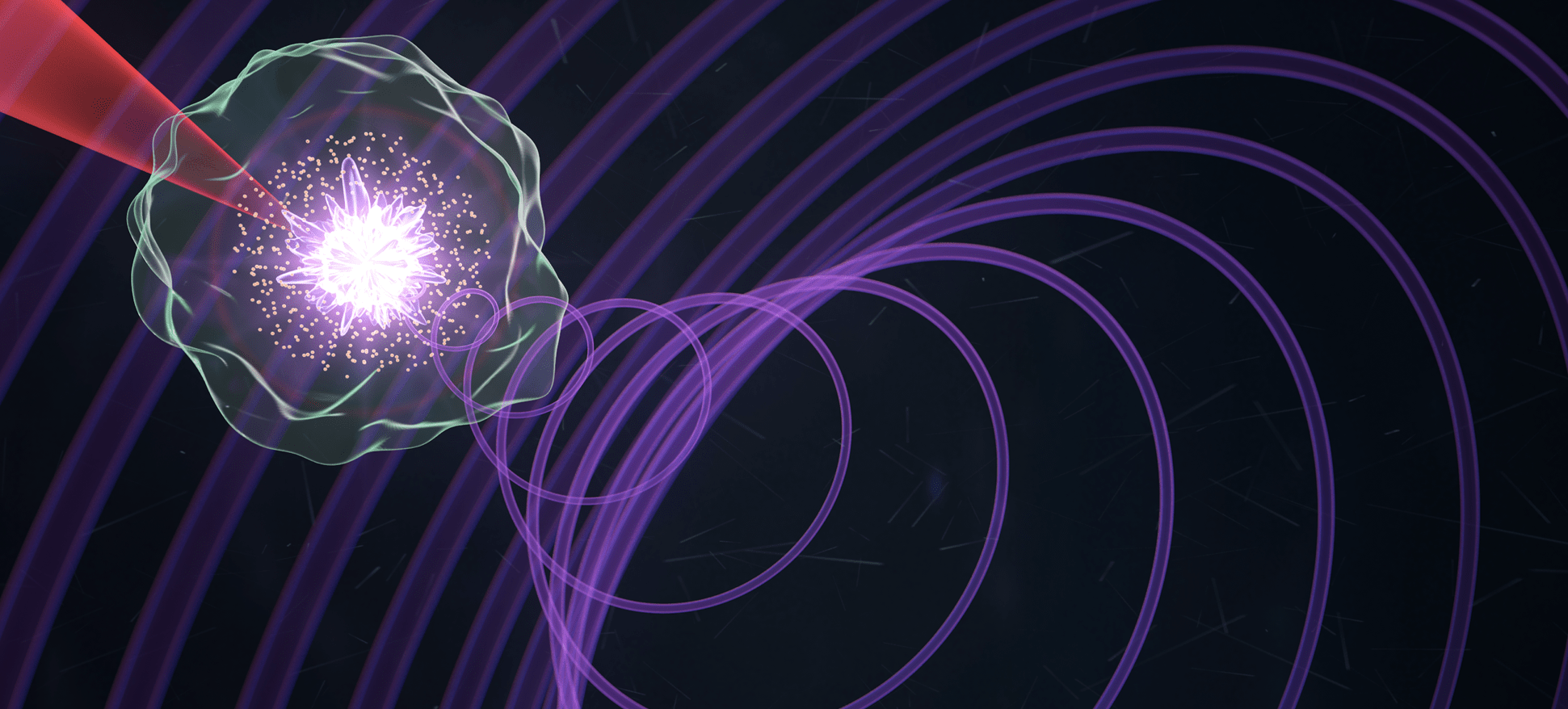
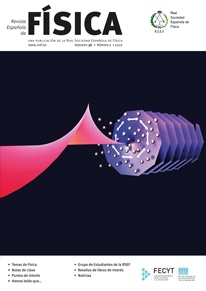
The Spanish Journal of Physics carries on the cover of its most recent issue (Vol 36, No (2022)) the illustration by Alba de las Heras in which it is represented the generation of ultraviolet light laser beams with a double structure: vectorial by its azimuthal polarization distribution, and vortex by its transverse phase distribution These properties are transferred to the high-frequency domain from the high-order harmonic generation process, triggered by an intense structured laser radiating from a gas jet.  You can consult more information about these properties in the “Points of interest” section of this issue of the Spanish Journal of Physics. You can also consult the article published about it, which is partially the result of the activities and research carried out in Attostructura project.  A. de las Heras, A. K. Pandey, J. San Román, J. Serrano, E. Baynard, G. Dovillaire, M. Pittman, C. G. Durfee, L. Plaja, S. Kazamias, O. Guilbaud y C. Hernández-García, “Extreme-ultraviolet Vector-vortex Beams from High Harmonic Generation”, Optica 9, 71-79 (2022).

High fashion jewelry in non-linear optics

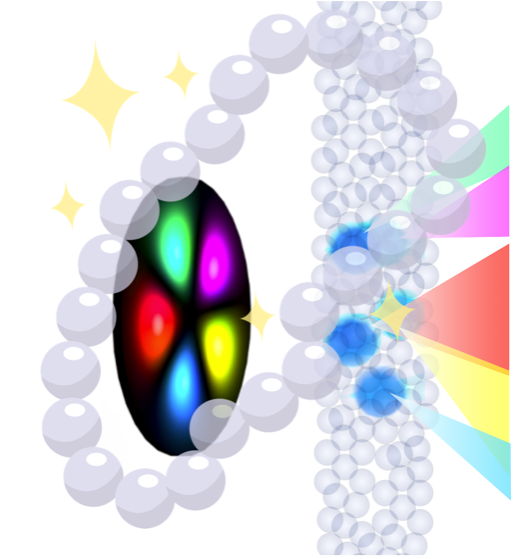
Sterling silver jewelry, rose gold with exclusive designs, rings, earrings, bracelets… made out of light? Like a high fashion jewelry workshop, the Laser and Photonics Applications research group of the University of Salamanca (ALF-USAL) focuses its efforts on designing light jewels through non-linear optics. Jewels, not only for their beauty in the form of high-frequency lasers, but also for their usefulness in observing and controlling unknown processes in nature. In fact, the design of coherent and high-frequency laser light beams (towards the X-rays) has become a unique tool to access processes that take place in very small sizes (nanometers) and in very short times (trillionths of seconds). The theoretical-experimental collaboration between ALF-USAL and the group of Profs. Murnane and Kapteyn at the University of Colorado at Boulder (USA) have been developing fine jewelry for the last few years. After generating high-frequency rings with properties never seen before (see references [1,2]), the researchers have gone a step further, entering the world of necklaces. The design of an infrared laser in the form of a necklace allows to control the frequency and divergence (or spatial size) of the X-rays that are produced after the non-linear process of high-order harmonic generation. In this work, published in the journal Science Advances, the researchers also demonstrate that the spectral content of these X-ray lasers can be calibrated by means of the number of beads in the necklace. One more step in the high fashion jewelry with lasers that tries to help in the understanding of the fastest processes of nature. More information in: “Necklace-structured high harmonic generation for low-divergence, soft X-ray harmonic combs with tunable line spacing”, Laura Rego, Nathan J. Brooks, Quynh L. D. Nguyen, Julio San Román, Iona Binnie, Luis Plaja, Henry C. Kapteyn, Margaret M. Murnane, Carlos Hernández-García, Science Advances 8, eabj7380 (2022). References:: [1] “Generation of extreme-ultraviolet beams with time-varying orbital angular momentum”, Laura Rego, Kevin M Dorney, Nathan J Brooks, Quynh Nguyen, Chen-Ting Liao, Julio San Román, David E Couch, Allison Liu, Emilio Pisanty, Maciej Lewenstein, Luis Plaja, Henry C Kapteyn, Margaret M Murnane, Carlos Hernández-García,   Science 364, eaaw9486 (2019). [2] “Controlling the polarization and vortex charge of attosecond high-harmonic beams via simultaneous spin-orbit momentum conservation”, Kevin M. Dorney, Laura Rego, Nathan J. Brooks, Julio San Román, Chen-Ting Liao, Jennifer L. Ellis, Dmitriy Zusin, Christian Gentry, Quynh L. Nguyen, Justin. M. Shaw, Antonio Picón, Luis Plaja, Henry C. Kapteyn, Margaret M. Murnane, Carlos Hernández-García, Nature Photonics 13, 123–130 (2019).

Attostructura collaborates and sponsors the IV photo contest “Dia de la Luz”

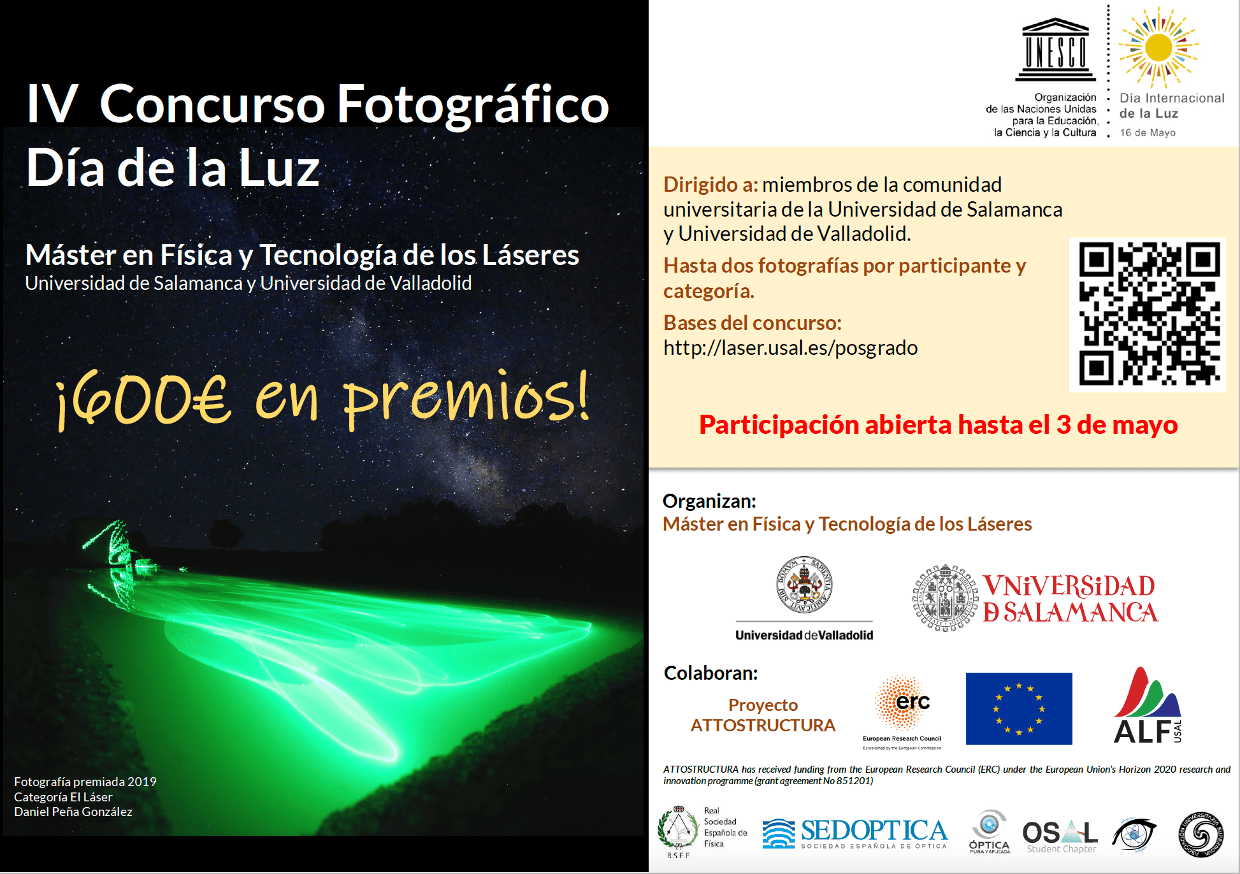
On the occasion of the proclamation of May 16 as “International Day of Light and Light-Based Technologies” by the United Nations Organization, the Master’s Degree in Laser Physics and Technology” announces the IV edition of the Photo Contest “Day of the light”. Attostructura collaborates and is part of the jury of the contest. Other members of the jury are: the Salamanca Local Section of the Royal Spanish Society of Physics. the Spanish Society of Optics SEDOPTICA. the magazine Óptica Pura y Aplicada. the University Association OSAL Student Chapter. the Supernova University Association.   the Physics League University Association. The contest is open to undergraduate, master’s or doctoral students, professors and members of the university community of the University of Salamanca and the University of Valladolid, as well as graduates of the Master’s Degree in Laser Physics and Technology who are not part of the jur The participation period is open until May 3. Each participant can send up to two photographs to each of the established categories: Technologies of light and Optical Phenomena The laser 4 prizes will be awarded: First prize in the Light Technologies and Optical Phenomena category: 200 euros. Second prize in the Light Technologies and Optical Phenomena category: 100 euros. First prize in the Laser category: 200 euros. Second prize in the Laser category: 100 euros. In addition, all the winners will receive one year of free subscription to the Royal Spanish Physics Society with online access to the Physics Journal. The winning photographs will be published in the Pure and Applied Optics magazine of the Spanish Optical Society (SEDOPTICA). The complete rules of the competition are available on the website of the Master’s Degree in Physics and Technology of Lasers (laser.usal.es/posgrado)

PhD Student Position on Artificial Intelligence applied to the Physics of Attosecond Laser Pulses 

The University of Salamanca (Spain) invites application for a 3-year PhD Student position to obtain a PhD degree in Physics, starting in September 2022. The position is part of the project ATTOSTRUCTURA, “Structured attosecond pulses for ultrafast nanoscience”, funded by the European Research Council (ERC) under the European Union’s Horizon 2020 research and innovation program (grant agreement No. 851201), supervised by Dr. Carlos Hernández-García, and with a duration of 5 years. Application deadline: May 2nd 2022 Download info Project information The PhD candidate will enroll the project “Structured attosecond pulses for ultrafast nanoscience” at the Laser Applications and Photonics Research group (ALF-USAL) at University of Salamanca (https://laser.usal.es/alf/en/home/). The candidate will find a dynamic and international working environment, and will enrol in the theoretical group. ALF-USAL is an interdisciplinary Optics research group with expertise in both theory (strong-field physics, nonlinear optics, ultrafast phenomena, attosecond science) and experiments (ultrashort pulse characterization, pulse shaping, photonic crystals, ultrashort micro-machining). The candidate will explore the generation and ultrashort structured pulses and their application in ultrafast magnetism, an emerging field that is opening exciting scenarios in laser-matter interaction at the most fundamental level, merging the fields of Optics and Magnetism.   Some of the recent results have been published in high impact factor scientific journals:   -“Generation of extreme-ultraviolet beams with time-varying orbital angular momentum”, L. Rego, K. M. Dorney, N. J. Brooks, Q. Nguyen, C-T. Liao, J. San Román, D. E. Couch, Allison Liu, E. Pisanty, M. Lewenstein, L. Plaja, H. C. Kapteyn, M. M. Murnane, C. Hernández-García, Science 364, eaaw9486 (2019). Highlighted in the media: Physicists discover croissant-shaped twists of light. National Geographic (USA) Twisted light gains angular momentum through ‘self-torque’. PhysicsWorld (UK) Descubierta una nueva propiedad de la luz. El País (Spain) Físicos españoles descubren una nueva propiedad de la luz. El Mundo (Spain) -“Controlling the polarization and vortex charge of attosecond high-harmonic beams via simultaneous spin-orbit momentum conservation”, K. M. Dorney, L. Rego, N. Brooks, J. San Román, C-T. Liao, J. L. Ellis, D. Zusin, C. Gentry, Q. Nguyen, J. M. Shaw, A. Picón, L. Plaja, H. C. Kapteyn, M. M. Murnane, C. Hernández-García, Nature Photonics 13, 123–130 (2019).   -“Extreme-Ultraviolet Vector-Vortex Beams from High Harmonic Generation“, Alba de las Heras,  Alok P. Pandey, Julio San Román, Javier Serrano, Elsa Baynard, Guillaume Dovillaire, Moana Pittman, Charles Durfee, Luis Plaja, Sophie Kazamias, Olivier Guilbaud, Carlos Hernández-García, Optica 9, 71-79 (2022).   -“Necklace-structured high harmonic generation for low-divergence, soft X-ray harmonic combs with tunable line spacing”, Laura Rego, Nathan J. Brooks, Quynh L. D. Nguyen, Julio San Román, Iona Binnie, Luis Plaja, Henry C. Kapteyn, Margaret M. Murnane, Carlos Hernández-García, Science Advances 8, eabj7380 (2022). Job profile The candidate will explore the application of Artificial Intelligence to the Physics behind the generation of ultrashort structured pulses, an emerging field that is opening exciting scenarios in laser-matter interaction at the most fundamental level, merging the fields of Optics and Computing Sciences. The candidate will be advised thus by two experts in each of those fields:   Dr. Javier Serrano (expert in high performance computing, artificial intelligence) Dr. Carlos Hernández-García (expert in ultrashort structured laser pulses and nonlinear optics) Job Functions Development and implementation of theoretical methods to describe the interaction of femtosecond and attosecond structured laser pulses with atomic and solid systems. Usage of Artificial Intelligence libraries like Keras / Tensorflow for the design, training and application of neural networks to the generation of ultrashort structured pulses. Development and improvement of software using C/C++ or Fortran to simulate high harmonic generation, taking advantage of HPC resources and technologies like OpenMP, MPI and CUDA. Application of the developed codes to explore the limits of sub-attosecond pulse generation, with possibilities to interact with experimental collaborators. Candidate Requirements University degree in Physics or Computing Sciences. Master program, Physics-related or Computing Sciences-related. Programming skills in Python, C/C++ and/or Fortran. Advanced level of English: higher than B2 according to the Common European Framework of Reference for Languages or equivalent. Candidates should be able to demonstrate a promising track record of achievements appropriate to their career stage. Contract conditions Type of contract: PhD contract. Limited to 3,5 years, until the end of the project. Contract to be renewed annually. Full-time employee (37,5 hours a week) Economic compensation: Gross salary of: 1.300 €/month (14 salaries), during the first and second years. 1.384 €/month (14 salaries), during the third year. Research Project: ATTOSTRUCTURA, “Structured attosecond pulses for ultrafast nanoscience”, funded by the European Research Council (ERC) Workplace: Laser Applications and Photonics Research group (ALF-USAL) at University of Salamanca (https://laser.usal.es/alf/en/home/), Spain. Estimated starting date: September 2022. Interested candidates should send a CV (maximum 3 pages), a complete list of grades during his/herdegree and Master program, a personal statement with interests and reasons for applying, and two recommendation letters to Dr. Carlos Hernández-García at alf@usal.es. For further information and inquiries see Euraxess web page, or contact Dr. Carlos Hernández-García at alf@usal.es. SELECTION PROCESS The selection process is governed by the principles of publicity, equality, merit, and ability, constituting the effect one selecting body composed of representatives of the group of research of USAL. The selection process will consist of two phases: Analysis phase and curricular value of all nominations received, classified on the basis of better adaptation of the Curriculum vitae to the profile established and compliance with the requirements. Personal interview: the three candidates with the highest scores in the Phase 1 will be selected for a personal interview. SELECTION COMMISSION The selection commission will be made up of the two co-advisors, Dr. Javier Serrano and Dr. Carlos Hernández-García, and one member of the research team Laser Applications and Photonics Research group (ALF-USAL) at Universidad de Salamanca. More information about the project, the position and the application process can be found Euraxess web page.  More info

Attostructura Seminar – Structuring ultrafast laser light through highly nonlinear physics

On February 2nd, Carlos Hernández García, Ramón y Cajal researcher, member of the Laser and Photonic Applications research group and principal investigator of the Attostructura project (ERC 851201) gave the seminar “Structuring ultrafast laser light through highly nonlinear physics” within the cycle of seminars of the Rocasolano Institute of the CSIC. The degree of control we have achieved over the manipulation of light is truly amazing. Initiated by our Greek ancestors using mirrors to guide light, we live in a world where the most advanced laser technology allows us to create and sculpt light beams with great precision. In particular, nowadays we can create ultrashort attosecond pulses (with durations of trillionths of a second), of very high frequencies (up to the soft X-rays), and with increasingly complex spatial structures thanks to our ability to harness their angular momentum. In this talk we will review our recent work in the generation of structured ultrashort laser pulses. Thanks to the highly nonlinear process of high harmonic generation, we can tailor the spin and orbital angular momentum properties of extreme ultraviolet/soft x-ray laser pulses directly at their generation. By properly controlling the process of high harmonic generation, from the driving laser beam to the target (gas or solid), different families of structured ultrashort laser beams can be created: self-torqued beams, vector-vortex beams, tunable high-frequency combs, or hexagonal harmonic beams. These new optical tools allow us to fantasize of new laser-matter interaction processes at the nanoscale, whose physical laws are yet to be discovered. For example, structured laser pulses offer an appealing alternative to study sub-femtosecond magnetization dynamics, where a complete understanding of the electronic and spin interactions remains unexplored You can see the full video of the seminar on this page or on Youtube channel of the Rocasolano Institute.

The University of Salamanca leads a pioneering international research project on ultraviolet structured light

Several media outlets have echoed the publication of a new research article by the ALF – USAL Group in the prestigious Optica magazine. It demonstrates the production of a type of laser beam in the extreme ultraviolet with a special design in phase and polarization. In this type of beam, the polarization distribution is linked to the phase structure. These light forms are called vector vortices, because the structure is analogous to that of a whirlpool with different directions of vibration. It is, therefore, a light beam that combines the properties of the orbital angular momentum of light associated with the optical vortices with those of the spin angular momentum of the light particles, which defines the polarization. The authors explain that “the fundamental idea is to control the properties of ultraviolet light by acting on the initial infrared light, thanks to the fact that all the information is encoded in the physical laws of conservation.” In fact, in this study a new conserved quantity is also discovered in the harmonic generation process, the Pancharatnam topological charge, which includes in its definition both the spin and the orbital angular momentum of the light beam. The study from which the results presented in the publication have been obtained is the result of the collaboration between the ALF – USAL Group with the Paris-Saclay University and the Colorado School of Mines and is part of the European project ERC ATTOSTRUCTURA (851201) Full report can be read at Salamanca24horas or Divulgación Científica de la USAL web page.   Article review published on the article can be consulted on our website.

Tailoring complex structures in high-frequency light

The prestigious journal Optica has just published a new article demonstrating the generation of high-frequency light with multiple vibration directions and a spiral phase structure. The research is the result of an international theoretical-experimental collaboration between the Laser and Photonics Applications Group of the University of Salamanca, the University of Paris-Saclay and the Colorado School of Mines. This work was developed within the European project ERC ATTOSTRUCTURA. One of the great advantages of laser light is that we can shape its spatial properties, with the aim of exploring new scenarios in light-matter interaction and optimizing some applications such as imaging techniques or optical communications. In this work we organize the distribution of the phase (the instantaneous oscillation position) in the form of a helix, which is the characteristic of optical vortices or “tornadoes of light”. In addition, we configure different polarizations (oscillation directions) in a single laser beam. Forms of light that combine both properties are called vector-vortex beams. In the high-frequency regime, it is more challenging to structure laser light, since most conventional devices are not efficient for ultraviolet radiation, X-rays or gamma rays. However, we can circumvent this problem thanks to the generation of high-order harmonics. This nonlinear optics process, in which a high-intensity visible or infrared laser interacts with the atoms of a gas, allows us to up-convert the properties into the extreme ultraviolet or X-rays. Our work demonstrates that we can generate vector-vortex beams in the extreme ultraviolet thanks to the physical conservation laws in high-order harmonic generation. Our theoretical proposal of a new conserved quantity, the Pancharatnam topological charge, in high harmonic generation has been confirmed experimentally in the laboratory of Paris-Saclay. More information at: Heras, A. de las, Pandey, A. K., Román, J. S., Serrano, J., Baynard, E., Dovillaire, G., Pittman, M., Durfee, C. G., Plaja, L., Kazamias, S., Guilbaud, O., & Hernández-García, C. (2022). Extreme-ultraviolet vector-vortex beams from high harmonic generation. Optica, 9(1), 71-79. https://doi.org/10.1364/OPTICA.442304  Download the full paper at Gredos @Universidad de Salamanca: http://hdl.handle.net/10366/146004  

La Universidad de Salamanca lidera una pionera investigación internacional sobre luz estructurada ultravioleta

Varios medios de comunicación se han hecho eco de la publicación de un nuevo articulo de investigación del Grupo ALF – USAL en la prestigiosa revista Optica. En él se demuestra la producción de un tipo de haz láser en el ultravioleta extremo con un diseño especial en fase y en polarización.  En este tipo de haz, la distribución de polarización se encuentra ligada a la estructura de fase. Estas formas de luz se denominan vórtices vectoriales, debido a que la estructura es análoga a la de un remolino con diferentes direcciones de vibración. Se trata, pues, de un haz de luz que combina las propiedades de momento angular orbital de la luz asociadas a los vórtices ópticos con las del momento angular de espín de las partículas de luz, que define la polarización.  Los autores explican que, “la idea fundamental es controlar las propiedades de la luz ultravioleta actuando sobre la luz infrarroja inicial, gracias a que toda la información está codificada en las leyes físicas de conservación”. De hecho, en este estudio se descubre también una nueva cantidad conservada en el proceso de generación de armónicos, la carga topológica de Pancharatnam, que incluye en su definición tanto el espín como el momento angular orbital del haz de luz. El estudio a partir del cual se han obtenido los resultados presentados en la publicación es fruto de la colaboración enter el Grupo ALF – USAL con la Universidad Paris-Saclay y la Colorado School of Mines y se enmarca dentro del proyecto europeo ERC ATTOSTRUCTURA (851201) Puedes leer el reportaje al completo en los enlaces de Salamanca24horas o el servicio de Divulgación Científica de la USAL.  Tambien puedes consultar la reseña publicada sobre el articulo en nuestra web.

Moldeando estructuras complejas en la luz de alta frecuencia

La prestigiosa revista Optica acaba de publicar un nuevo artículo en el que se demuestra la generación de luz de alta frecuencia con múltiples direcciones de vibración y una estructura de fase espiral. La investigación es fruto de una colaboración teórico-experimental internacional entre el Grupo de Aplicaciones del Láser y Fotónica de la Universidad de Salamanca, la Universidad Paris-Saclay y la Colorado School of Mines, y se enmarca dentro del proyecto europeo ERC ATTOSTRUCTURA.  Una de las grandes ventajas de la luz láser es que podemos moldear sus propiedades espaciales para explorar nuevos escenarios en la interacción luz-materia y también para optimizar algunas aplicaciones como las técnicas de imagen o las comunicaciones ópticas. En este trabajo organizamos la distribución de la fase (o de los estados de oscilación) en forma de hélice, que es la característica de los vórtices ópticos o “remolinos de luz”. Además, configuramos distintas polarizaciones (direcciones de oscilación) en un único haz láser. Las formas de luz que combinan ambas propiedades se denominan vórtices ópticos vectoriales.  En el régimen de alta frecuencia resulta más complicado estructurar la luz láser, debido a que la mayoría de los de los dispositivos convencionales no son eficientes para la radiación ultravioleta, los rayos X o los rayos gamma. Sin embargo, podemos eludir este problema gracias a la generación de armónicos de orden elevado. Este proceso de óptica no lineal, en el que un láser visible o infrarrojo de alta intensidad interacciona con los átomos de un gas, nos permite transferir las propiedades hacia el ultravioleta lejano o los rayos X.  La investigación publicada en Optica demuestra que podemos generar vórtices ópticos vectoriales en el ultravioleta lejano con este proceso de conversión no lineal, gracias a las leyes físicas de conservación en la generación de armónicos de orden alto. Nuestra propuesta teórica de una nueva cantidad conservada, la carga topológica de Pancharatnam, en la generación de armónicos de orden elevado ha sido confirmada experimentalmente en el laboratorio de Paris-Sacla. Mas informacion en: Heras, A. de las, Pandey, A. K., Román, J. S., Serrano, J., Baynard, E., Dovillaire, G., Pittman, M., Durfee, C. G., Plaja, L., Kazamias, S., Guilbaud, O., & Hernández-García, C. (2022). Extreme-ultraviolet vector-vortex beams from high harmonic generation. Optica, 9(1), 71-79. https://doi.org/10.1364/OPTICA.442304 Descargalo en Gredos @Universidad de Salamanca: http://hdl.handle.net/10366/146004

WOP Session – Deep Learning and harmonic generation

Javier Serrano, member of the Laser and Photonics Applications group and researcher in the ATTOSTRUCTURA project (ERC 851201), will give the seminar entitled “Deep Learning and harmonic generation” on December 17 at 10:00. The seminar will take place in Room III of the Faculty of Sciences of the University of Salamanca. For those who cannot attend, the entire seminar will be uploaded to this website and to the YouTube channel of the ALF-USAL group.

WOP Sesion – Deep Learning y generación de armónicos

Javier Serrano, miembro del grupo de Aplicaciones del Láser y Fotónica e investigador en el proyecto ATTOSTRUCTURA (ERC 851201) , impartirá el proximo 17 de diciembre a las 10:00 el seminario titulado “Deep Learning y generación de armónicos“.  El seminario tendrá lugar en el Aula III de la Facultad de Ciencias de la Universidad de Salamanca.  Para aquellos que no puedan asistir, el seminario al completo se subirá a esta pagina web y al canal de YouTube del grupo ALF-USAL.  

WOP Sesion – Degradación de diodos láser: modelos físicos y resolución por métodos de elementos finitos (FEM)

Jorge Souto, profesor de la Universidad de Valladolid, impartirá el proximo 14 de diciembre a las 11:30 el seminario titulado “Degradación de diodos láser: modelos físicos y resolución por métodos de elementos finitos (FEM)”.  El seminario esta abierto a todos los que queráis asistir, tendrá lugar en el Aula Sancho Guimerá (Exactas) de la Facultad de Ciencias de la Universidad de Salamanca.  El seminario al completo se subirá a esta pagina web y al canal de YouTube del grupo ALF-USAL.